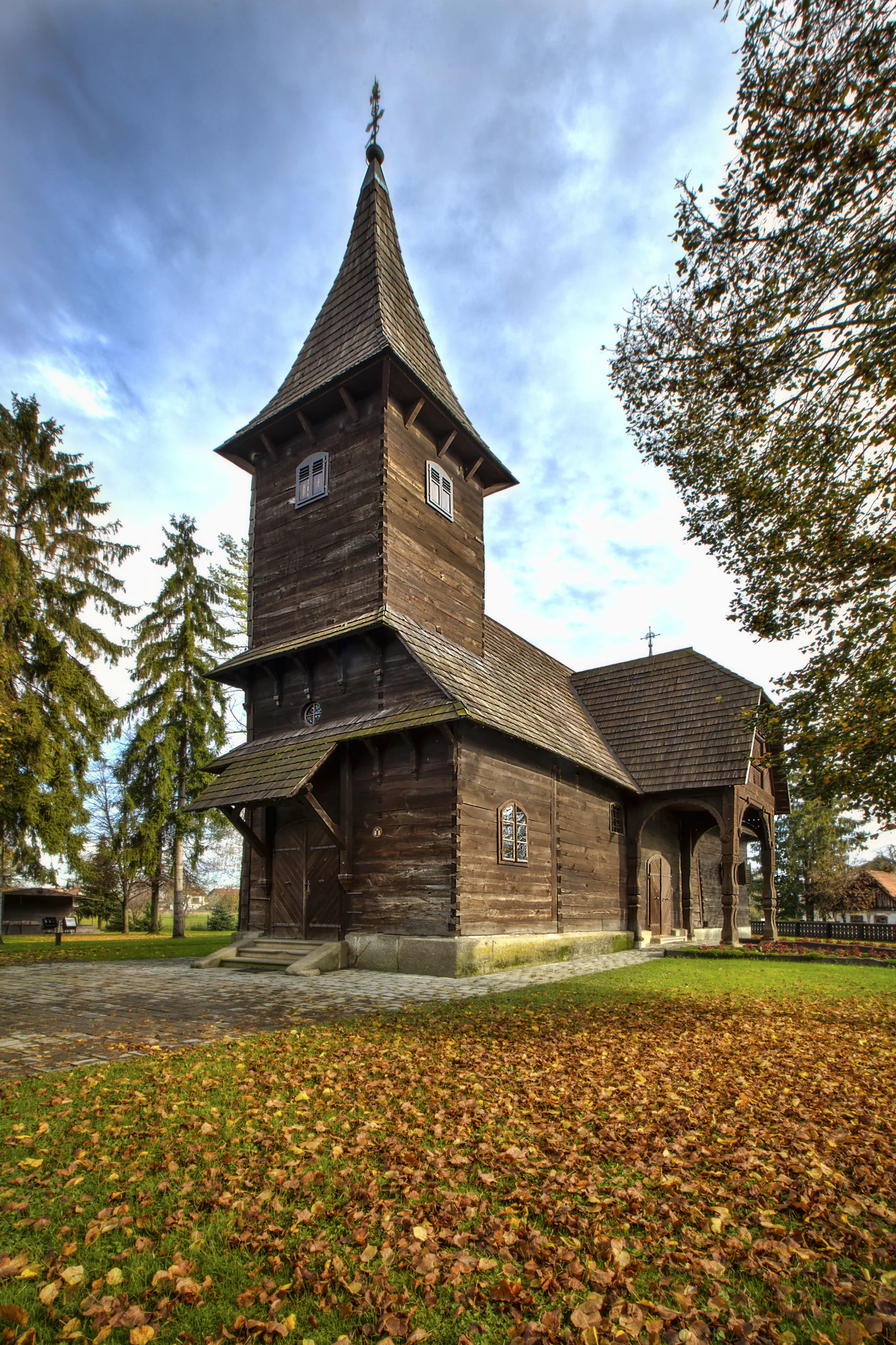
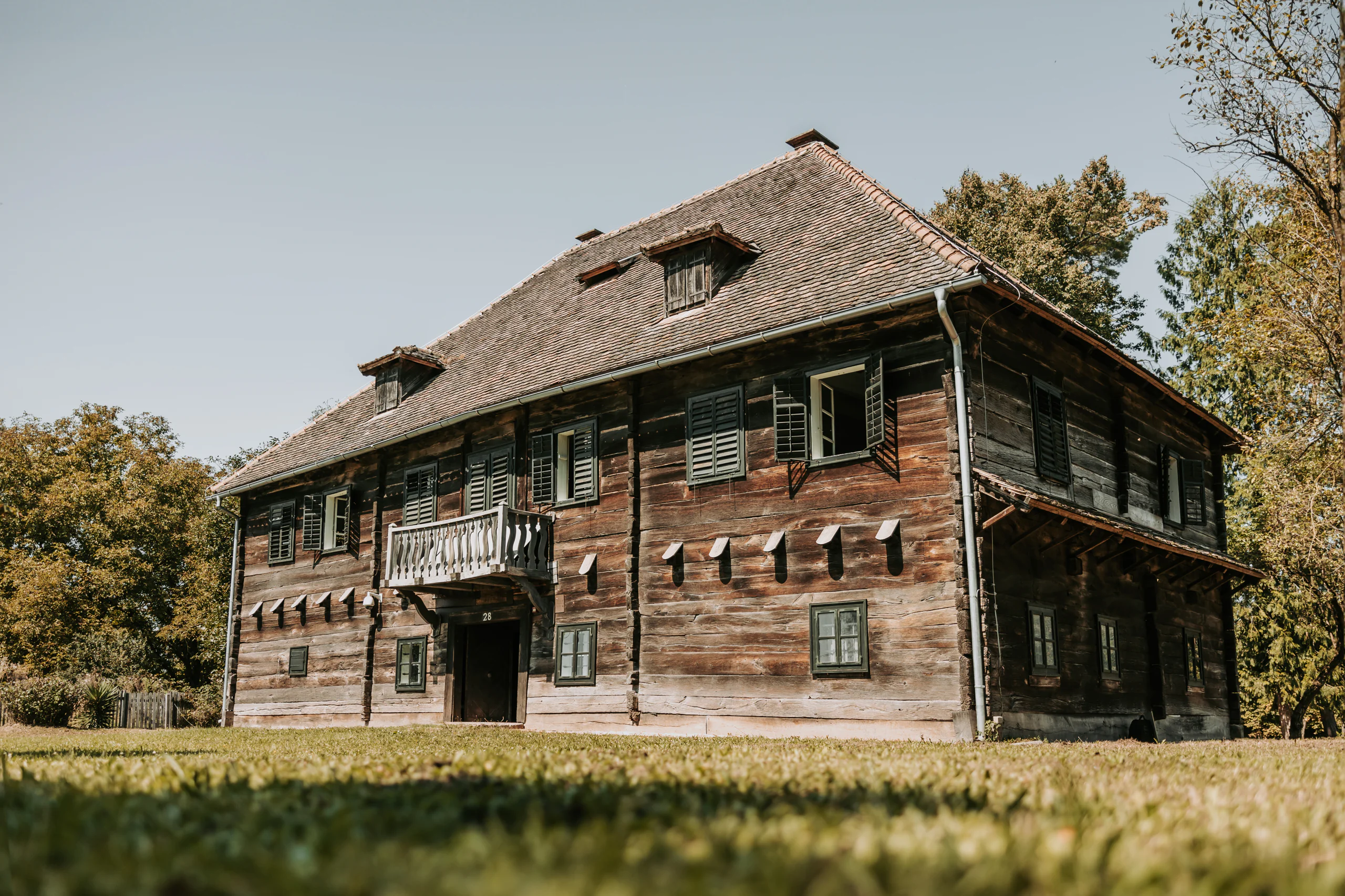
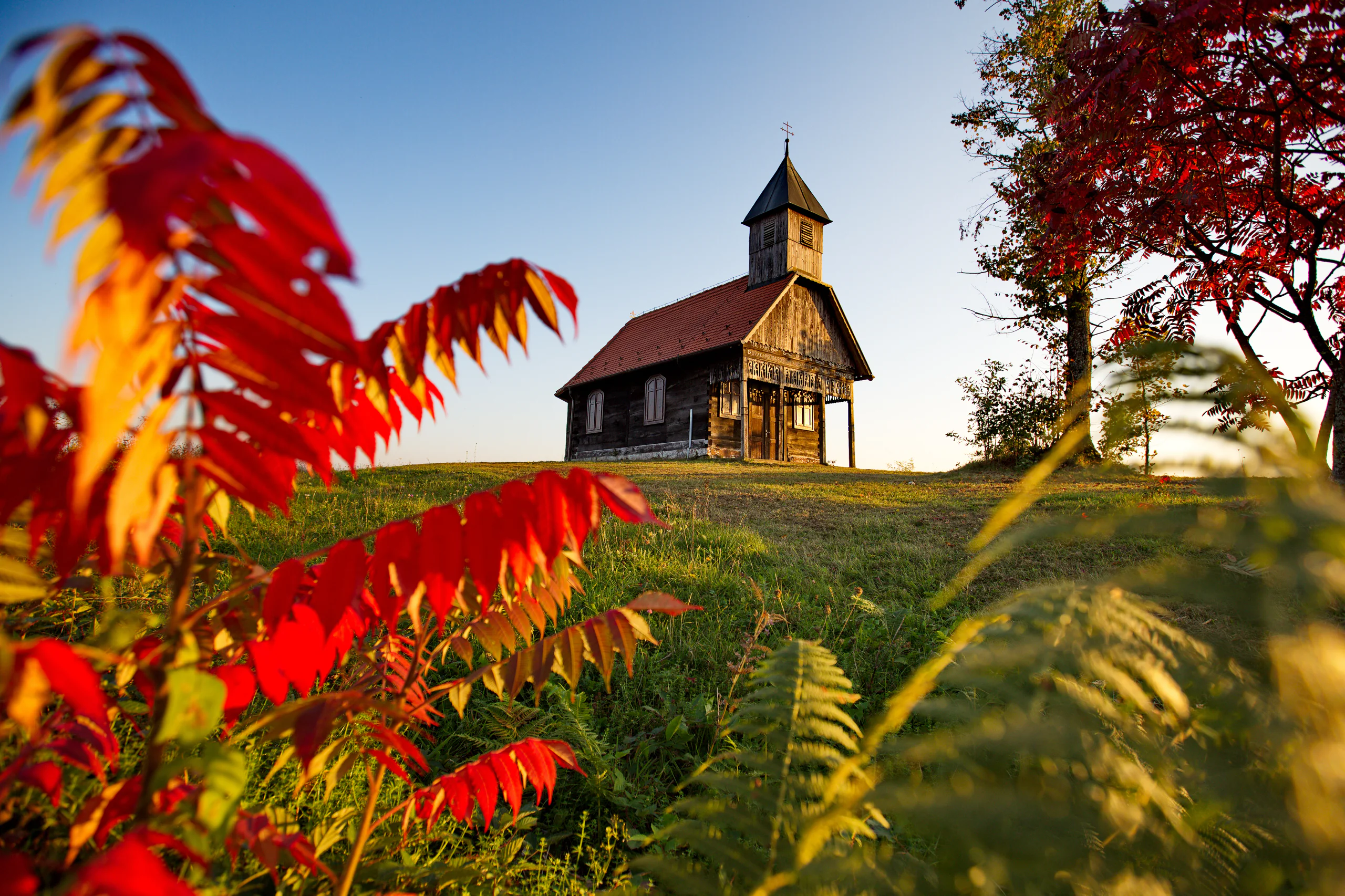
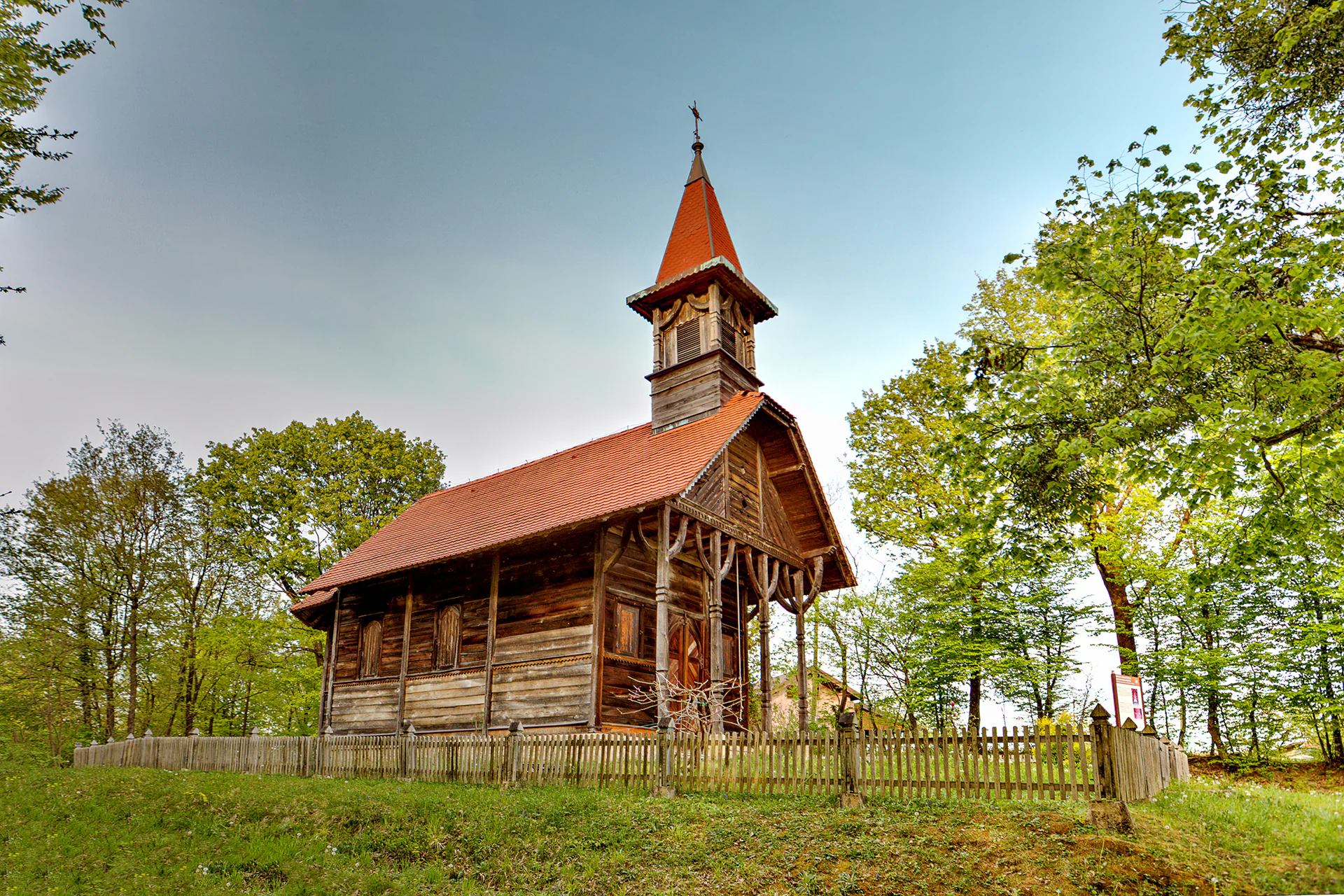
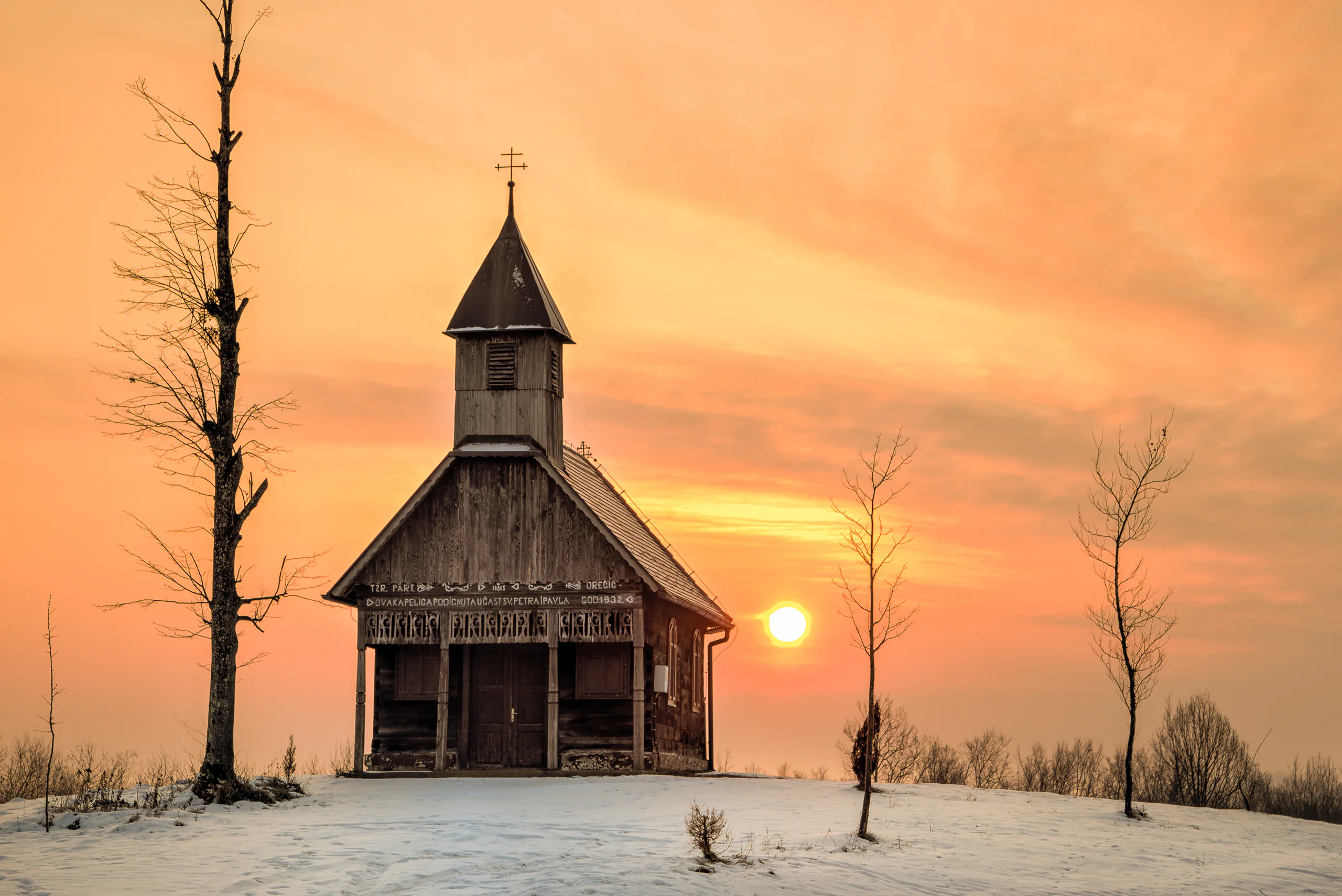
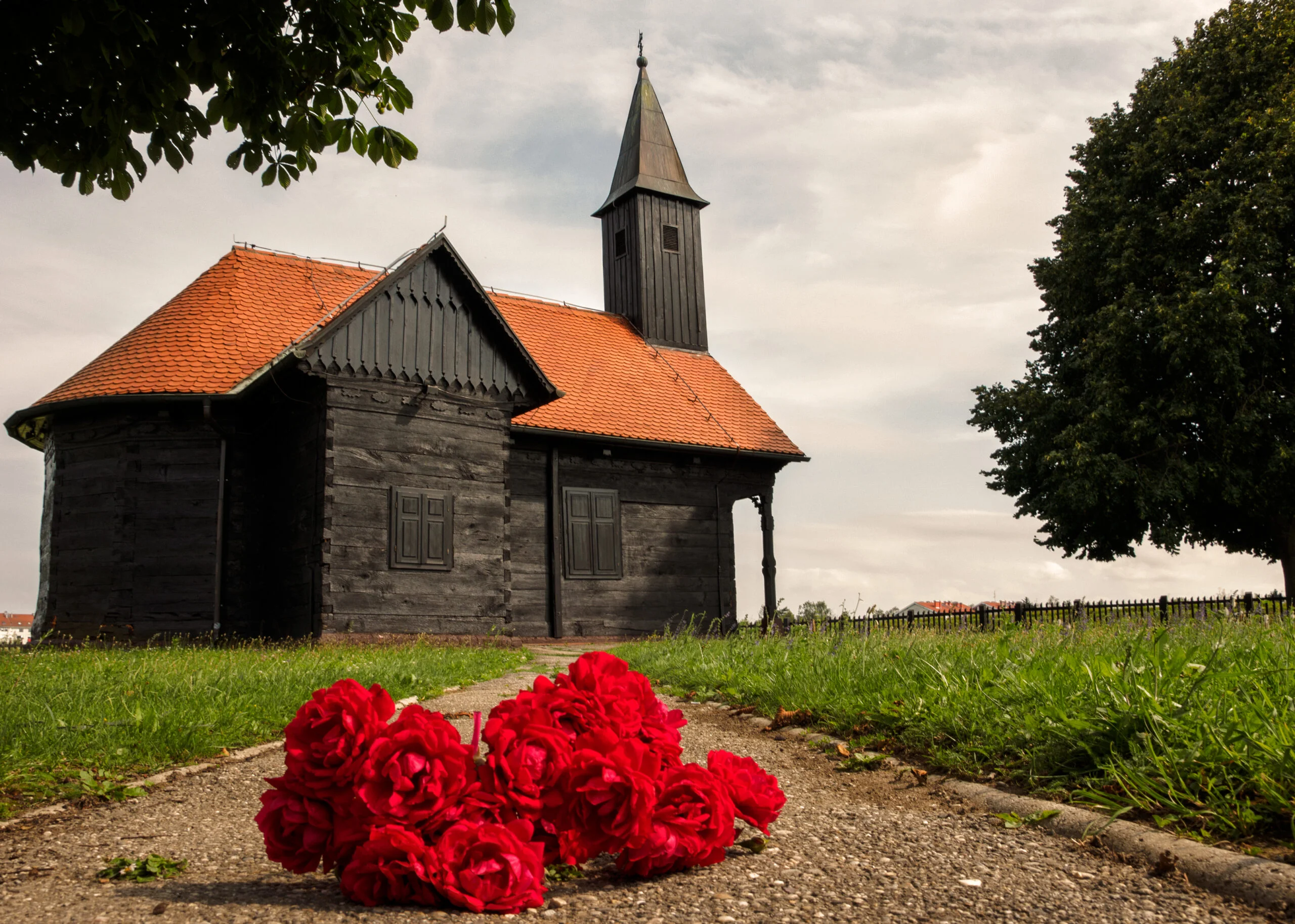
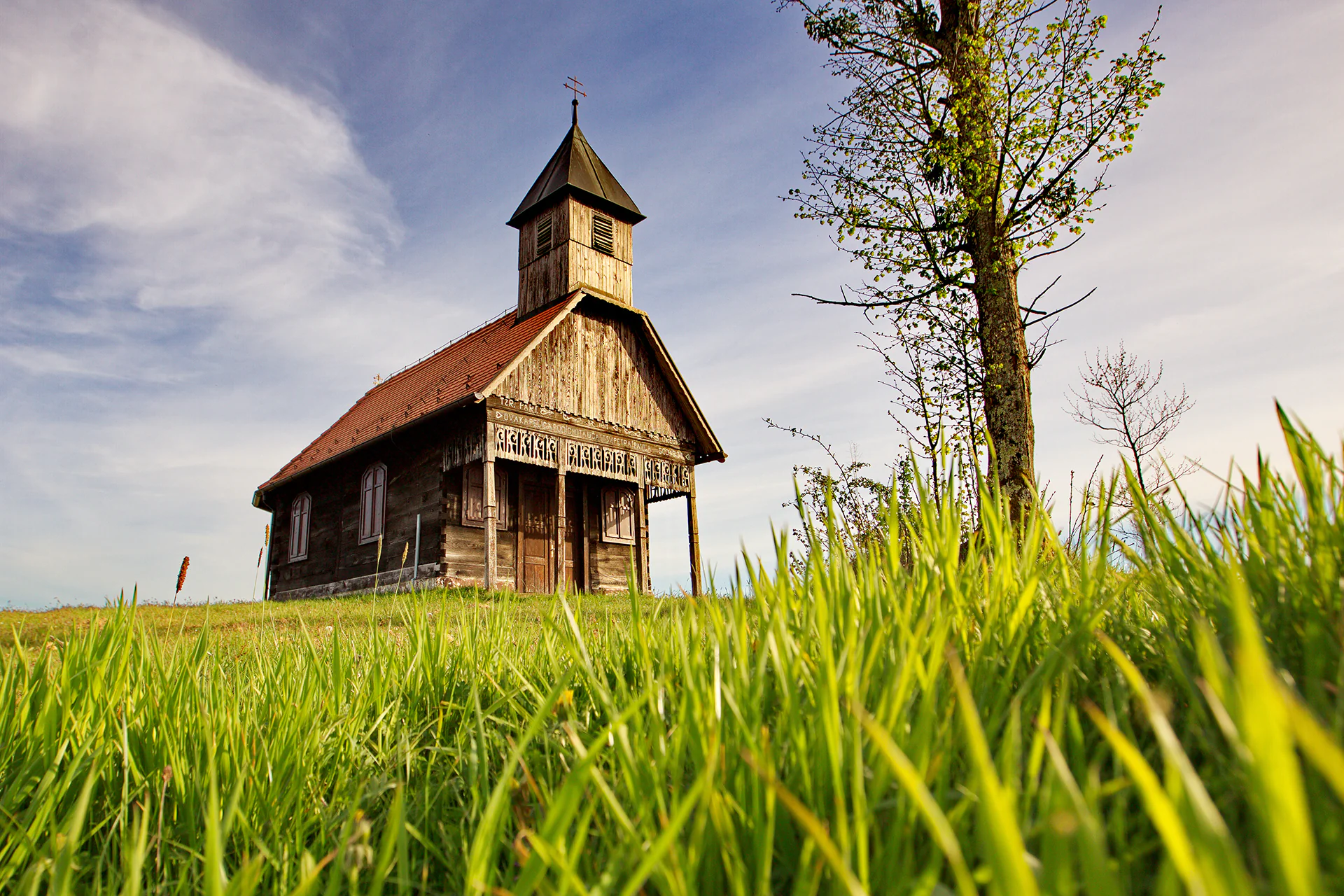
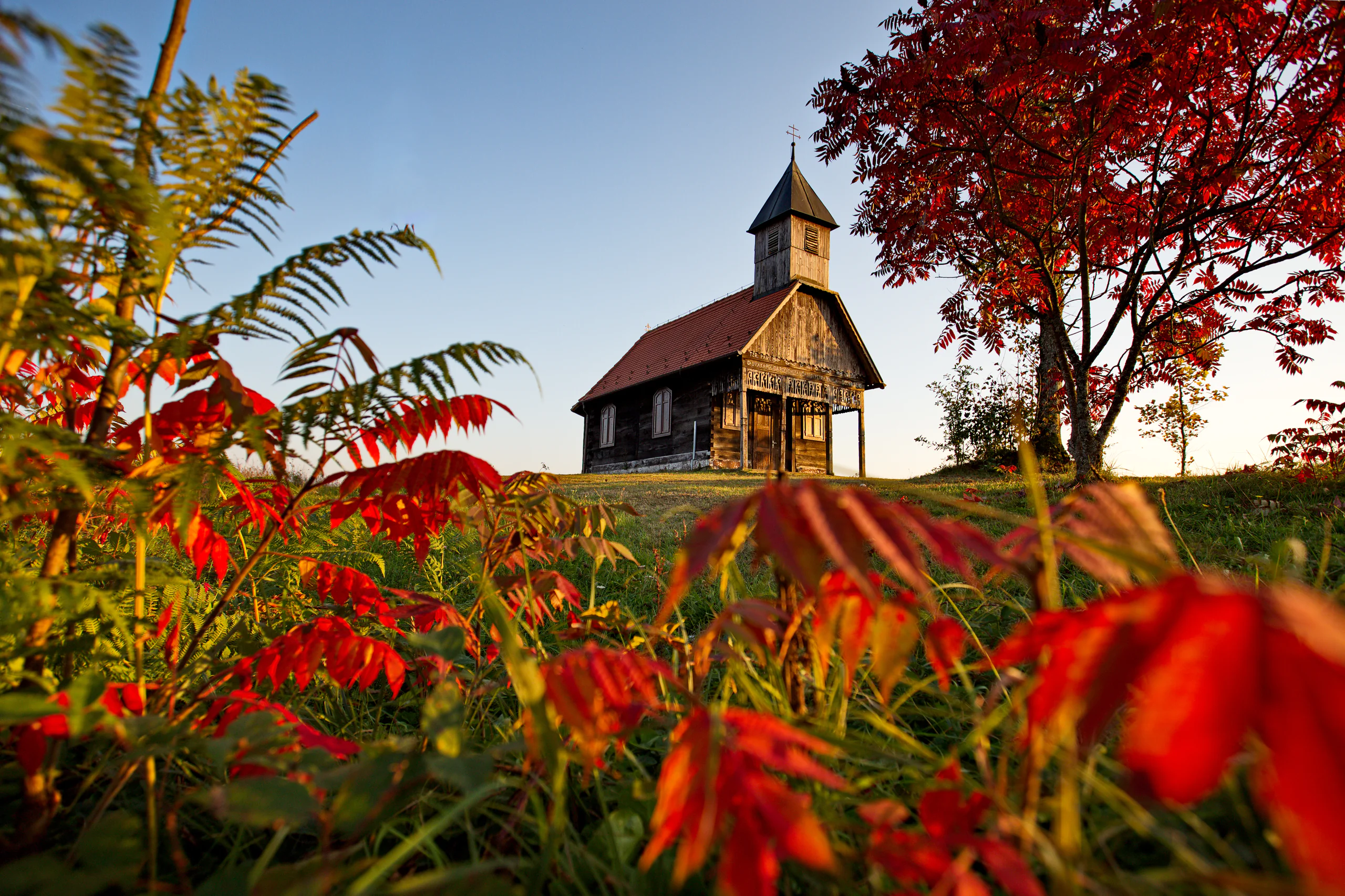
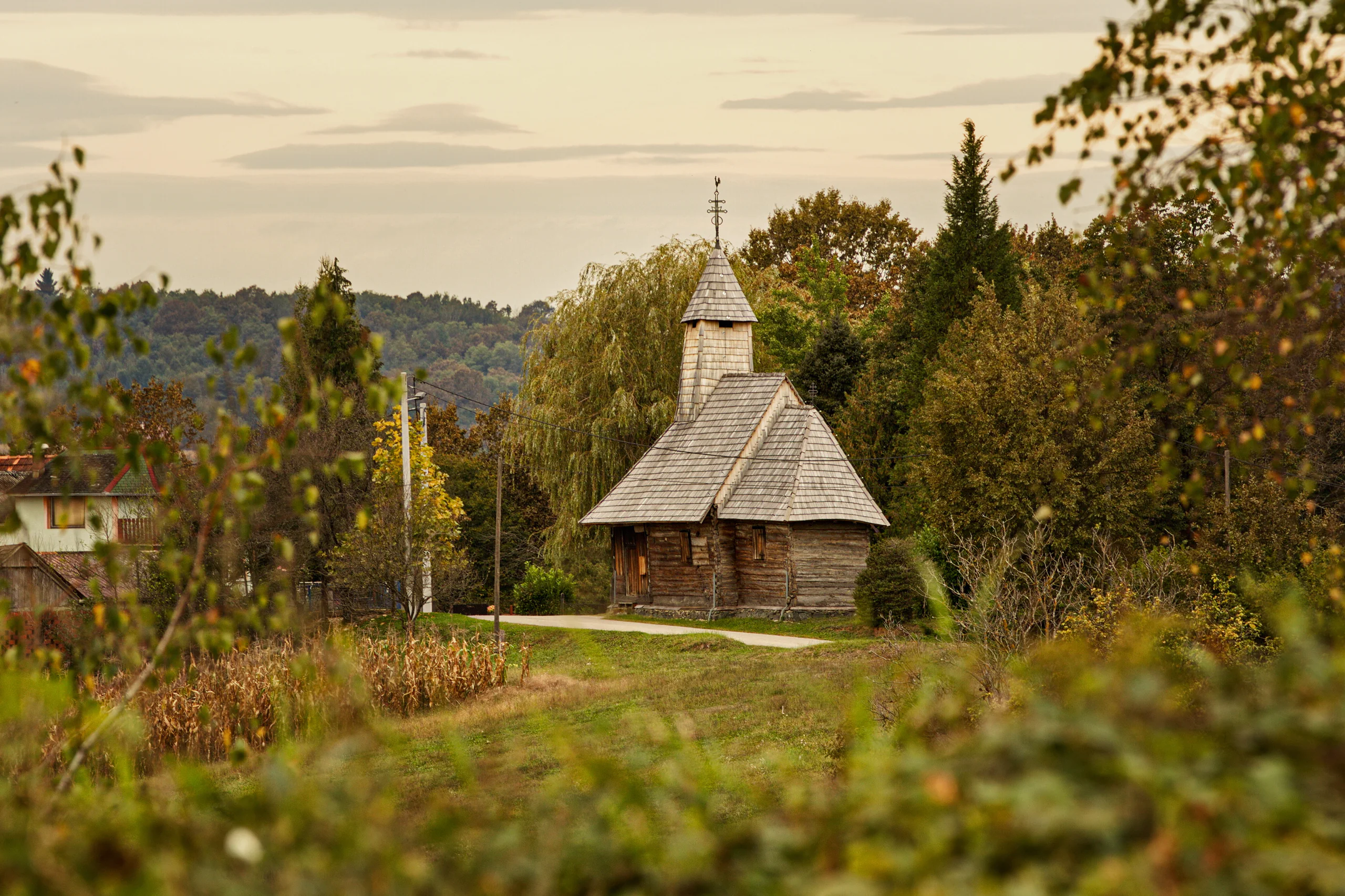
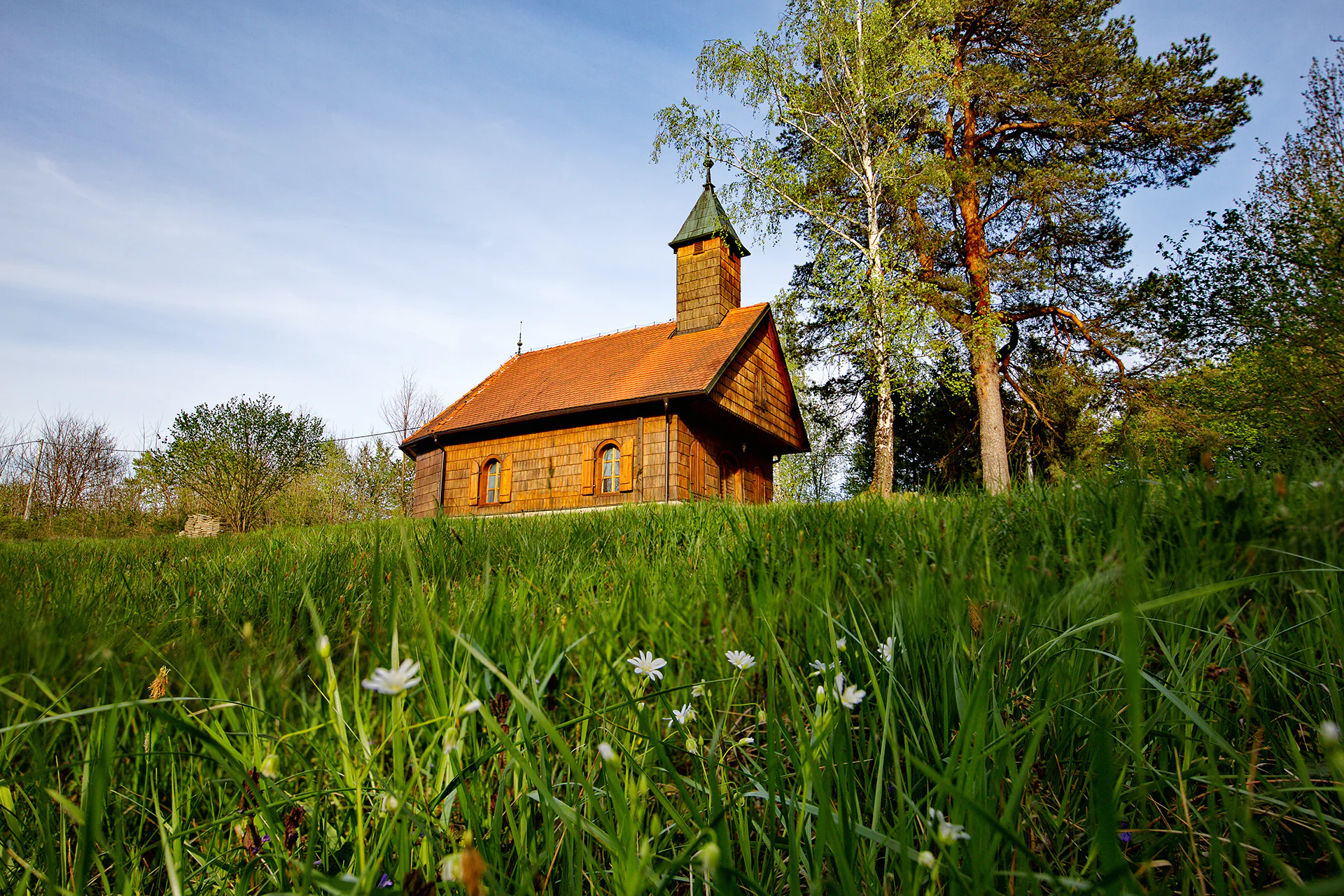
The wooden manor houses and chapels of Turopolje, old town centres, wine cottages and cellars of Zagreb County preserve an important part of shared heritage. On the other side of the border, Brežice in Slovenian Posavje offers a historic town centre, a castle with a museum and the vineyards of the Bizeljsko-Sremič wine-growing area. InterWine connects them into an experience that leads visitors through vineyards and heritage, accompanied by a local guide, curator or winemaker who knows more about the area than what is written on an information board.
Intangible Cultural Heritage
The Noble Municipality of Turopolje is one of the most important historical features of Turopolje. Its roots date back to the 13th century, when a community of Turopolje nobles was formed in the area between the Sava and Kupa rivers and the Vukomerić Hills. Their rights and privileges were first recorded in 1278, and one year later they were confirmed by King Ladislaus IV.
The Turopolje nobles elected their own prefect, while their main assembly was known as the spravišće. This was where decisions were made, representatives were elected and common property was managed. The spravišće was not only an administrative gathering, but also an important social moment for the community.
A special place in Turopolje tradition belongs to the Turopolje Banderialci - members of the historical military unit of the Noble Municipality of Turopolje. In the past, they took part in defending the area, while today, through their ceremonial uniforms, flag and public appearances, they preserve the memory of a time when Turopolje had its own military honour and recognisable identity.
One of the most recognisable symbols of the Noble Municipality is its coat of arms, granted in 1737 by King Charles III. It features the tower of Lukavec Castle, soldiers, cannons, a sabre, stars and an eagle holding the flags of Croatia and Slavonia. Lukavec Castle was one of the centres of Turopolje’s history, as important documents were kept there and assemblies were held within its walls.
The building that today houses the Turopolje Museum in Velika Gorica also played an important role. It once served as the seat of the Noble Municipality, with rooms for the prefect, notary, treasury, archive and a large hall used for assemblies.
The Noble Municipality of Turopolje was abolished in 1947 and re-established on 7 July 1991, after the establishment of the Republic of Croatia. Today, it remains an important part of Turopolje’s identity - not only as a historical institution, but also as a living connection to customs, community, local pride and tradition that can still be recognised in Velika Gorica and its surroundings.
The Turopolje dialect belongs to the Kajkavian dialect group of the Croatian language, but it is highly distinctive and specific, having preserved certain features from earlier periods. Its oldest written records date back to the 16th century. Some prominent Croatian linguists have agreed that the traditional speech of Turopolje is not only part of local identity, but also a valuable part of Croatian cultural heritage.
The feast of St George, celebrated in April, marks the arrival of spring and the beginning of another fertile year. The custom dates back to pre-Christian times. It includes processions through villages, during which young men and women visit village houses, collect gifts and sing songs about Green George. The highlight of the celebration is the St George’s bonfire, when a large straw bonfire is lit in the main park in Velika Gorica and in front of the walls of old Lukavec.
While most other protected forms of intangible cultural heritage can be seen or touched, the Lower Sutla Ikavian dialect has to be heard. It is a rather rare and unusual linguistic phenomenon. The explanation for the presence of Ikavian speech along the Sutla River lies in historical circumstances. In the 16th century, a larger number of Chakavian speakers settled in this area while fleeing from the Ottomans. Over time, they adopted the local way of speaking, but also preserved certain features of their native dialect. Today, this linguistic blend lives on in the area of Brdovec, Marija Gorica, part of Pušća and the border area of Dubravica.
Godbeništvo ima posebno mjesto u kulturnom životu Brežica i okolice. Pihalni orkestar Kapéle, poznat i kao Kapelska godba, te Gasilski pihalni orkestar Loče pri Dobovi, poznat kao Lučka pleh muzika, čuvaju dugu tradiciju puhačke glazbe.
Their performances accompany local celebrations, important events and community gatherings. In this way, music remains a living part of the community, not only a part of cultural history.
The ferrying tradition in Mostec is closely connected with life by the river and the everyday reality of the local population in the past. Before bridges and modern roads changed the way people moved through the area, ferry crossings played an important practical and social role.
Today, this tradition is preserved as a reminder of the connection between people, the river and the surrounding landscape. It tells the story of a way of life that helped shape local habits and the identity of the area.
The Carnival processions of the Loče mowers, ploughmen and wedding-party characters are part of a colourful Carnival tradition connected with Dobovski Fašjenk. Through masks, processions, songs and performance, the community marks the transition from winter to spring.
This custom is especially interesting because it combines humour, fertility symbolism and elements of rural everyday life. It reflects the cheerful, social and expressive character of the local community.
Priprema pletenica važan je dio lokalne kulinarske baštine koju čuva Društvo kmetic Brežice. Pletenice su više od tradicionalnog jela – one su povezane s obiteljskim okupljanjima, svečanim prigodama i prenošenjem znanja među generacijama.
This skill shows how strongly food is connected with cultural identity. Through the preparation of pletenice, recipes, customs and a sense of community continue to be preserved.
Bizeljsko buckwheat cake is one of the recognisable flavours of this area. Its preparation is part of local knowledge that connects domestic ingredients, tradition and the everyday life of the rural landscape.
This heritage is also preserved by the Brežice Rural Women’s Association, whose work helps keep local recipes and customs alive. In this way, Bizeljsko buckwheat cake remains an important part of the identity of Bizeljsko and the wider Brežice area.
Drvene kapele i kurije